
In 2021, a woman in California was ordered to undergo drug treatment after she was found guilty of drug possession. The woman had a history of drug addiction and had previously refused treatment, but the judge ordered her to attend a rehab program as a condition of her probation. Encouraging a loved one to seek help for addiction requires a combination of effective communication and intervention techniques. By offering support and guidance, you can help your loved one take the necessary steps toward recovery. Committing to rehab can sometimes feel like a punishment for a person struggling with addiction. But regular communication and emotional support from the patient’s friends and family can make a large difference in their recovery chances.
How to Recognise an Addiction
- In the short term, you may decide to break off communications with your family.
- However, the effectiveness of involuntary rehab depends heavily on the individual’s readiness for recovery.
- The man had a history of drug addiction and had previously refused treatment, but the judge ordered him to attend a rehab program as a condition of his probation.
- After giving concrete evidence of the severity of the addiction, bring up a possible treatment plan.
Learn as much as you can about your loved one’s addiction, as this will help you communicate from a place of understanding. Research treatment options and be ready to share success stories to ignite a sense of hope. When you’re helping someone to check themselves into rehab voluntarily, you want to research things like rehab centers, payment, and the type of treatment your loved one can and should receive. There are many ways to help a loved one battling addiction or mental health issues, but laying down boundaries to protect yourself, your family, and your loved one is essential. The 12-Step approach to addiction treatment is an abstinence-based programme, that sets out guidelines to help with the treatment of substance and behavioural addictions. The 12-Step programme focuses on changing unhealthy thought processes and aims to eliminate addictive behaviours while incorporating elements of spirituality.
Does Rehab Produce Effective Results When Someone is Forced to Attend?

As a reputable rehab centre in Melbourne, The Hader Clinic offers various drug treatment and substance abuse programs. Our professionals aim to help individuals get the help they need while encouraging them to seek treatment on their own terms. If you or a loved one are interested in learning more about the treatment programs offered at any All In Solutions treatment centers, don’t hesitate to reach out to our admissions team. Our treatment advocates have years of experience in helping family members get their loved ones into rehab and can help you explore all the options available to you. Many patients don’t realize the toxicity of prolonged alcohol abuse and how it affects the body.
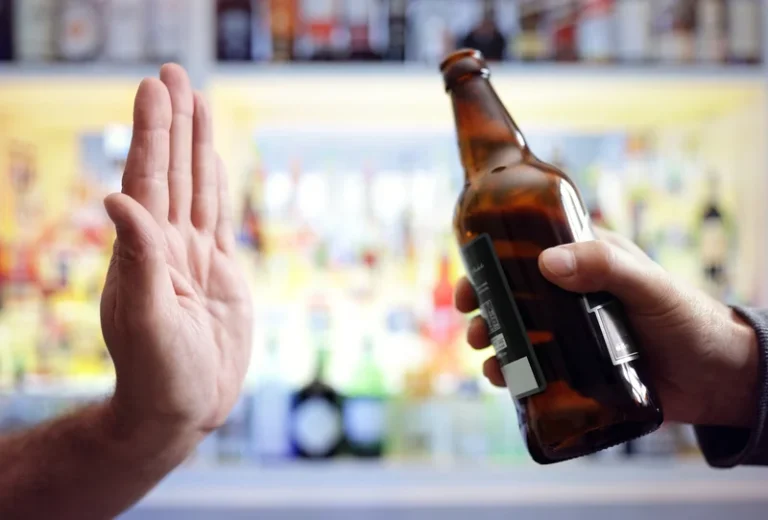
Can you force someone into rehab? New Jersey

Sometimes your loved one will refuse your treatment plan or become enraged and tell you they don’t need help. If this doesn’t help, sometimes putting your loved one in involuntary rehab for drugs is the best way to help them. It’s important how to get a family member into rehab to understand that most people suffering from addiction decide to enter rehab because they don’t want to continue experiencing the same feelings that addiction has caused. Only a small number of these patients even think about getting sober.
- Involuntary commitment laws allow families and loved ones to force someone into rehab who might refuse treatment due to their substance use disorder.
- Currently, the availability of effective and affordable treatment programs in the United States is quite low.
- While a lot of state laws covering involuntary commitment are similar, there are variations in how long a person can be detained before a hearing.
- Many patients don’t realize the toxicity of prolonged alcohol abuse and how it affects the body.
- The best way to get a loved one the help they need is to convince them to go to rehab voluntarily.
- If they fail to comply with outpatient treatment, they can be committed to inpatient treatment again.
If you go to meetings to look as if you have good intentions, your family and the judge will see right through it. Sometimes people go to an addiction doctor to put on a show of doing the right thing. However, keep in mind that meetings alone will not protect you from your family’s taking legal action to send you to rehab. In combination with psychotherapy, you can stop drinking without rehab. If your family goes to a judge and asks the judge to commit you, they must then prove that you have a drug problem. When you take Suboxone prescribed by a doctor, if treatment is successful, you will no longer have a drug problem during your medical therapy.
These patients typically have no Sobriety more interest in seeking addiction treatment than someone involuntarily committed by family. In spite of this, the same data shows that treatment outcomes were not significantly different, regardless of whether the individual entered rehab voluntarily or not. California is home to our Renaissance Recovery treatment centers, where we offer evidence-based, compassionate care for those struggling with addiction. Addiction Resource is an educational platform for sharing and disseminating information about addiction and substance abuse recovery centers. Addiction Resource is not a healthcare provider, nor does it claim to offer sound medical advice to anyone. Addiction Resource does not favor or support any specific recovery center, nor do we claim to ensure the quality, validity, or effectiveness of any particular treatment center.
- And if finances prevent them from getting treatment, there are options for using public assistance for rehab.
- Ultimately, rehab centers aim to provide a supportive environment for addiction recovery, not a place of confinement or imprisonment.
- In fact, forced rehab can be an effective motivator in helping someone recognize their need for treatment.
- If the interventionists are emotionally charged, chances are there won’t be too much listening and understanding occurring.
- However, once the child turns 18, they will have the power of deciding whether to continue with the involuntary treatment or not.

For these people, the Marchman involuntary commitment law allows for court-ordered involuntary treatment in certain circumstances. Any three adults with personal knowledge of the individual’s substance abuse may also submit this petition. For a minor child, the parent or legal guardian is responsible for submitting a petition for court-ordered involuntary commitment. Based on the National Institute on Drug Abuse guidelines, the treatment plan for involuntarily committed patients is tailored and customized for each individual. Since the patients have not voluntarily committed to treatment for recovery, special care is taken to ensure that they are motivated by the process and continue with their treatment. Involuntary commitment is a legal process that allows individuals who are deemed to be suffering from substance addiction to receive involuntary treatment in a drug rehab facility.